Ruqyah (Exorcism): One of the Greatest Forms of Jihād
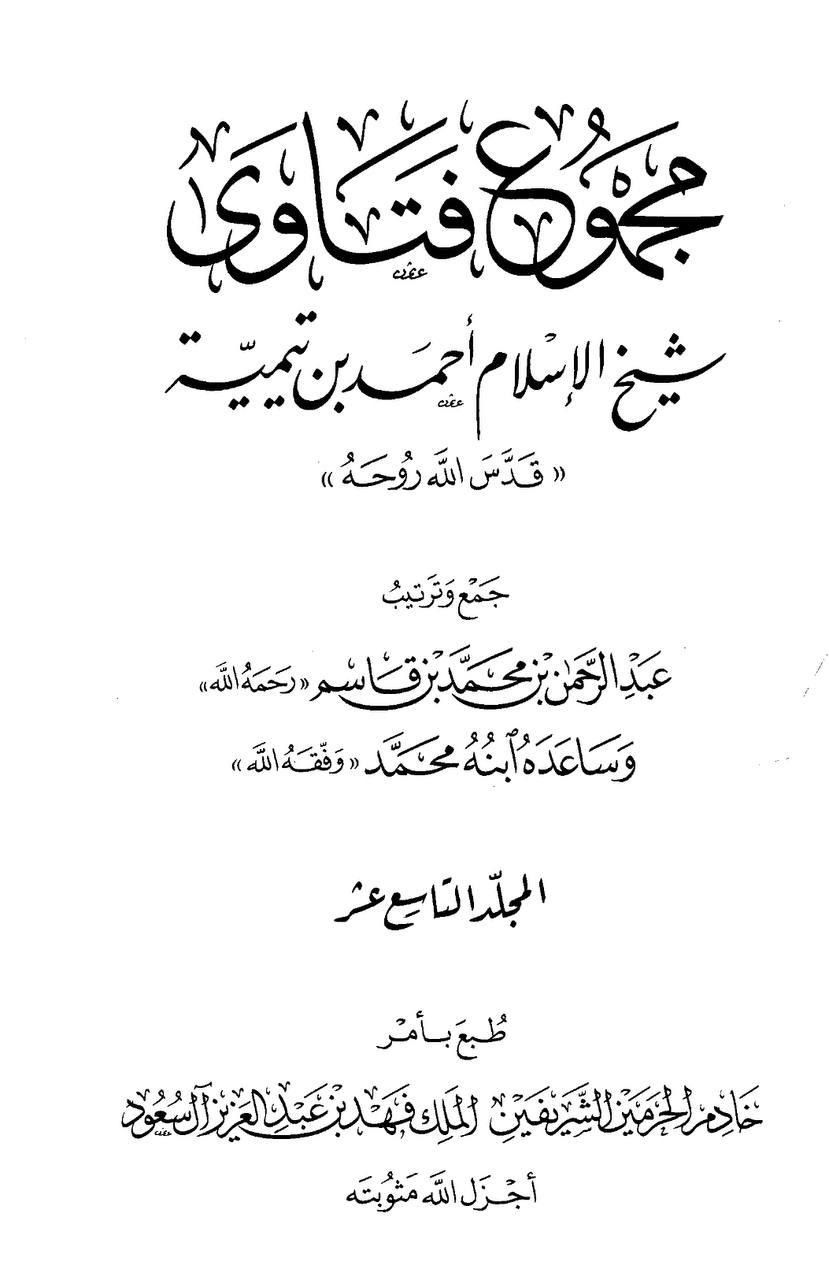
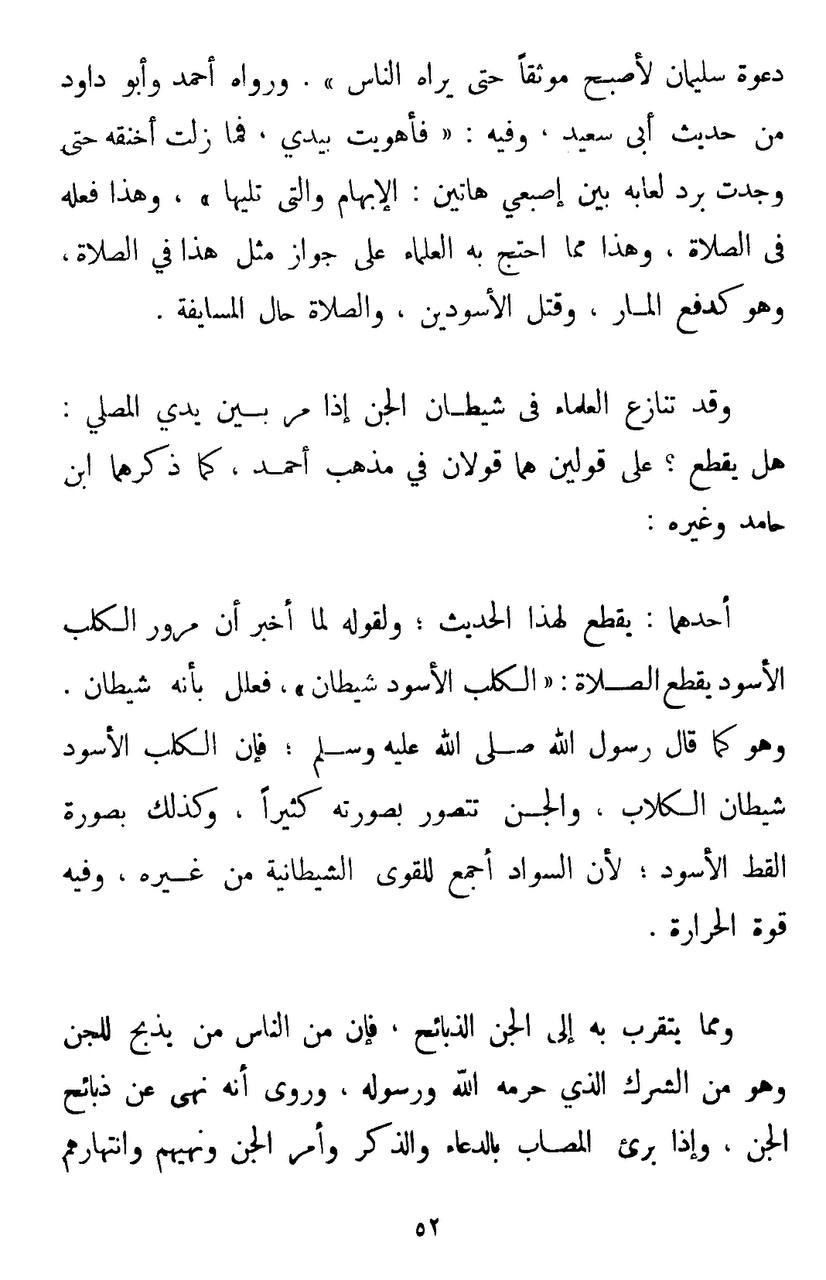
Sheikh al-Islam Ibn Taymiyyah (raḥimahullāh) stated in Majmū’ al-Fatāwā (v. 19, pp. 52-57):
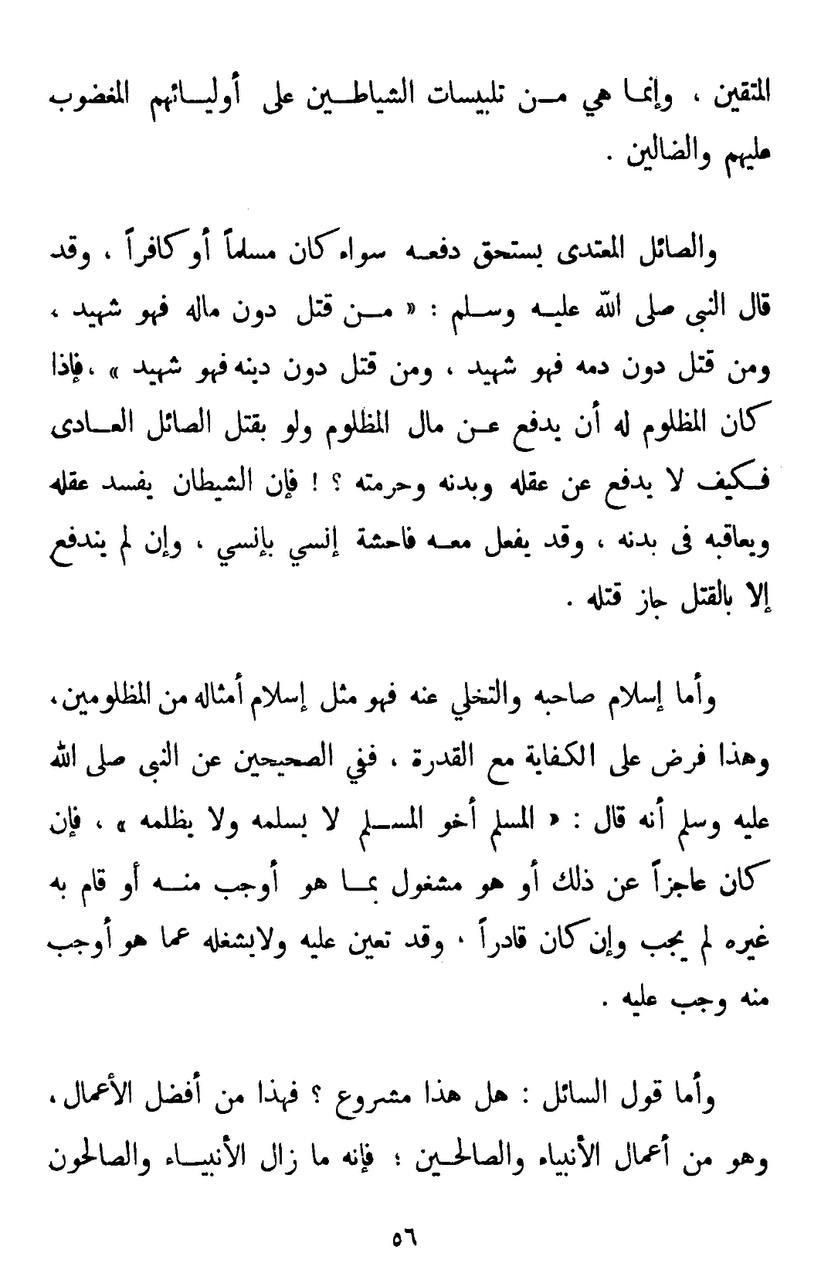
“When a person afflicted by jinn possession is cured through means of du’ā’ (supplication), dhikr (remembrance of Allāh), commanding or forbidding the jinn, rebuking, cursing, or otherwise addressing the jinn, then the goal has been achieved—even if that process causes some of the jinn to become sick or to die. In such cases, the wrongdoing is upon the jinn themselves, as long as the person performing the ruqyah (exorcism), du’ā’, or treatment has not wronged them—unlike many who use occult incantations (‘azā’im) and transgress upon the jinn.
They (those using such incantations) sometimes command the killing of those who are not lawfully to be killed, or detain those who do not deserve detainment . And so, it happens that the jinn fight back against them: some of them are killed or fall ill, and others suffer harm to their family members, children, or animals.
But as for the one who deals with their transgression by the way of justice, as prescribed by Allāh and His Messenger, then he has not wronged them. Rather, he is obeying Allāh and His Messenger by supporting the oppressed (victim being possessed by the jinn), relieving the distressed, and alleviating hardship through legal, shar‘ī means - ways that do not involve shirk (associating partners with Allāh) or oppression of any creature. Such a person is not harmed by the jinn, either because they recognize his justice or because they are unable to harm him.
However, if the jinn are powerful (like ‘ifrīt) and the human is weak, he may be harmed - so such a person should protect himself by reading al-Mu‘awwidhāt (the Refuge Sūrahs, Ikhlās, al-Falaq, and an-Nās), Āyat al-Kursī, performing prayer, making du‘ā’, and other acts that strengthen Ēmān and he should avoid the sins through which the jinn gain power over a person. Indeed, such a person is a mujāhid in the path of Allāh, and this is among the greatest forms of jihād.
He must beware not to aid the enemy (the jinn) against himself through his own sins. And if the matter is beyond his capacity, then: ‘Allāh does not burden a soul beyond its capacity…’ [al-Baqarah 2:286].
He should not expose himself to trials greater than he can bear.
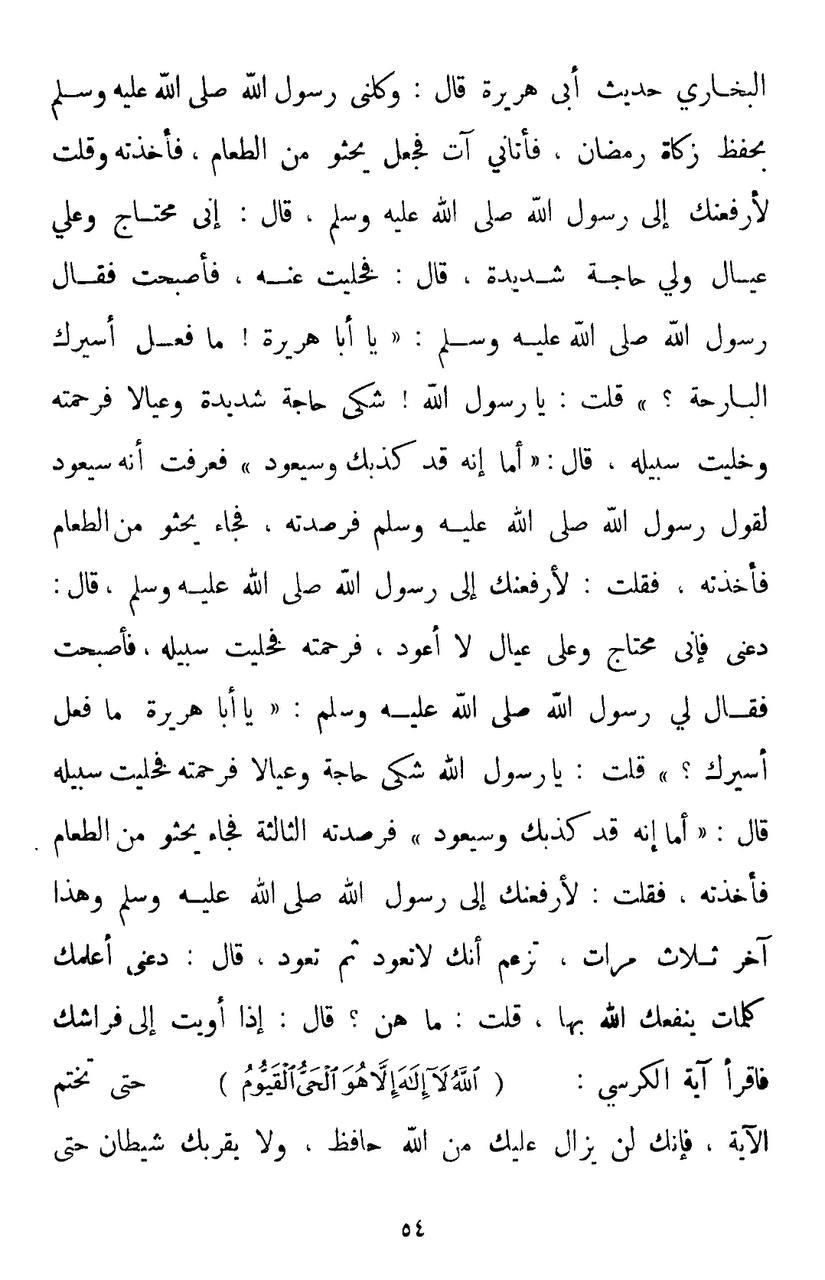
Among the greatest protections against the jinn is Āyat al-Kursī. It is authentically narrated in Sahīh al-Bukhārī in the hadīth of Abū Hurairah:
‘The Messenger of Allāh ﷺ appointed me to guard the zakāh of Ramaḍān. Then someone came and began scooping from the food. I caught him and said, “I will take you to the Messenger of Allāh ﷺ!” He said, “I am in need, I have dependents, and I am in dire need.” So I let him go. In the morning, the Messenger of Allāh ﷺ said: “O’ Abū Hurayrah, what happened with your captive last night?” I said, “O’ Messenger of Allāh, he complained of severe needs and dependents, so I felt compassion for him and let him go.”
The Prophet said, “Indeed, he lied to you, and he will return.” I watched for him, and he returned and started scooping from the food again. I caught him and said, “I will take you to the Messenger of Allāh ﷺ.” He said, “Let me go; I am in need, and I have dependents. I will not return.” So I let him go.In the morning, the Prophet ﷺ asked, “What happened with your captive?” I replied as before. The Prophet ﷺ said, “Indeed, he lied to you, and he will return.”
On the third night, I waited and caught him again. I said, “This is the third time, and you claim you won’t return but you do. I will take you to the Messenger of Allāh ﷺ!” He said, “Shall I teach you something by which Allāh will benefit you?” I said, “What is it?” He said, “When you lie down to sleep, recite Āyat al-Kursī: Allāhu lā ilāha illa huwa al-Hayy al-Qayyūm… until the end. A protector from Allāh will remain with you, and no devil will approach you until morning.”
So I let him go.
In the morning, the Prophet ﷺ said, “What happened with your captive?”
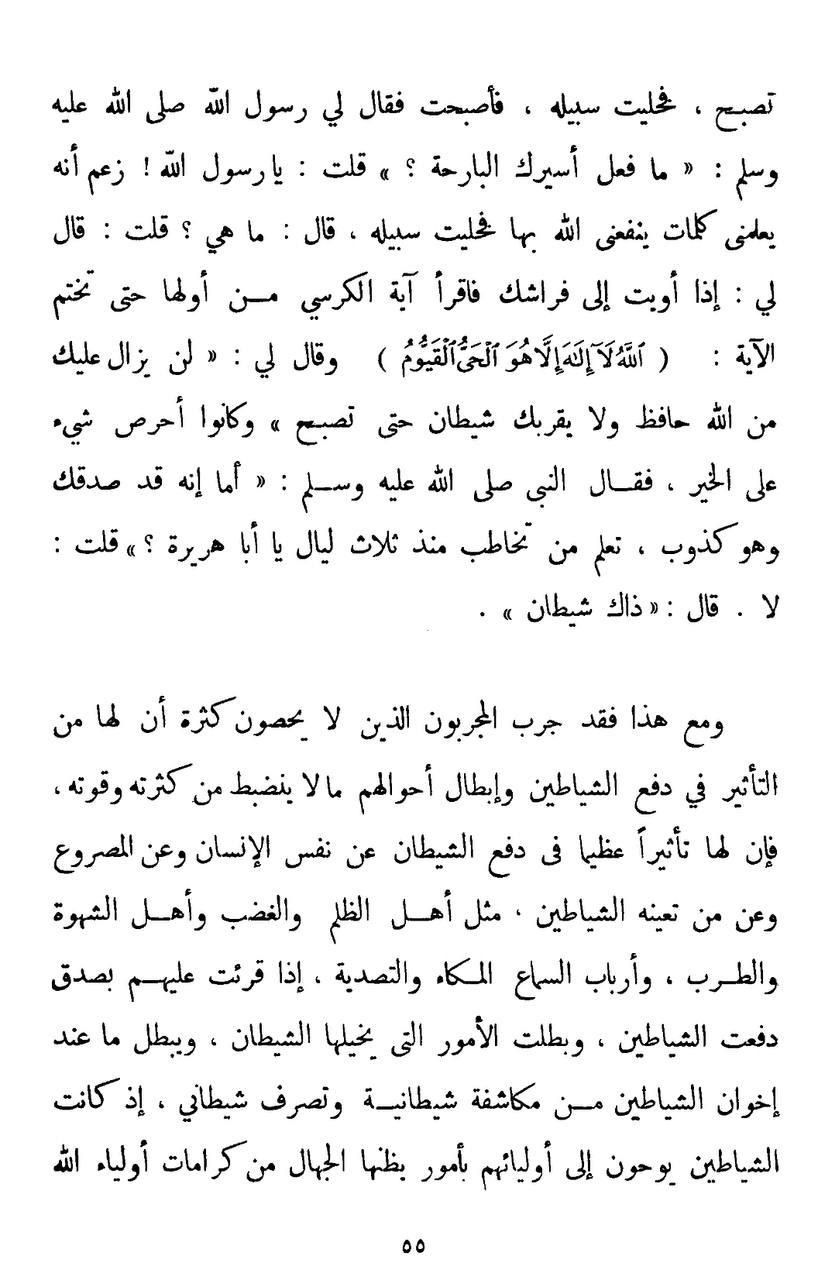
I said, “He claimed he would teach me something useful, so I let him go.” He asked, “What did he teach you?” I said, “He told me to recite Āyat al-Kursī at bedtime.” The Prophet ﷺ said, “He told you the truth, even though he is a liar. Do you know who you were speaking to these past three nights, O’ Abū Hurairah?” I said, “No.” He said, “That was a shaytān.”’
This verse (Āyat al-Kursī) has been tested by countless people and proven to have immense impact in repelling the devils and destroying their plots, in ways too numerous to count due to how strongly and frequently it has happened. It powerfully repels the shaytān from a person—whether possessed or afflicted by jinn - especially those vulnerable to oppression, anger, lust, music, or sinful distractions. If recited sincerely, it drives the devils away and nullifies the illusions and manipulations they cast, as well as the so-called satanic ‘revelations’ or ‘powers’ experienced by their allies - things that the ignorant may falsely assume to be karāmāt (miracles) of Allāh’s righteous awliyā’ (friends), when in fact they are only deceptions of the devils upon their misguided allies.
The transgressing attacker, whether Muslim or kāfir, deserves to be repelled. The Prophet ﷺ said: ‘Whoever is killed defending his wealth is a martyr, whoever is killed defending his blood is a martyr,and whoever is killed defending his religion is a martyr.’
So if the oppressed person is allowed to defend his wealth, even to the point of killing the aggressor, then how much more for his mind, body, and honour? Shaytān corrupts the mind, tortures the body, and may even commit a vile act (like sexual assault) just as a human might do to another human. And if the jinn cannot be repelled except through killing, then it is permissible to kill him. As for surrendering and forsaking the afflicted person, that is like the surrendering of others among the oppressed - and helping the oppressed is a communal obligation (fard kifāyah) upon those capable of doing it. In the two ṣahīhs, the Prophet ﷺ said: ‘The Muslim is the brother of the Muslim; he does not wrong him, nor does he forsake him.’ Meaning: he does not abandon him to the one harming him or in what harms him.
If one is incapable, or busy with something more obligatory, or if someone else fulfills the duty, then he is not required to intervene. But if he is capable, and no one else is doing it, and it does not distract him from a greater obligation, then it becomes obligatory on him. As for the questioner who asked: ‘Is this act (of exorcism and repelling jinn) part of the Sharī’ah?’
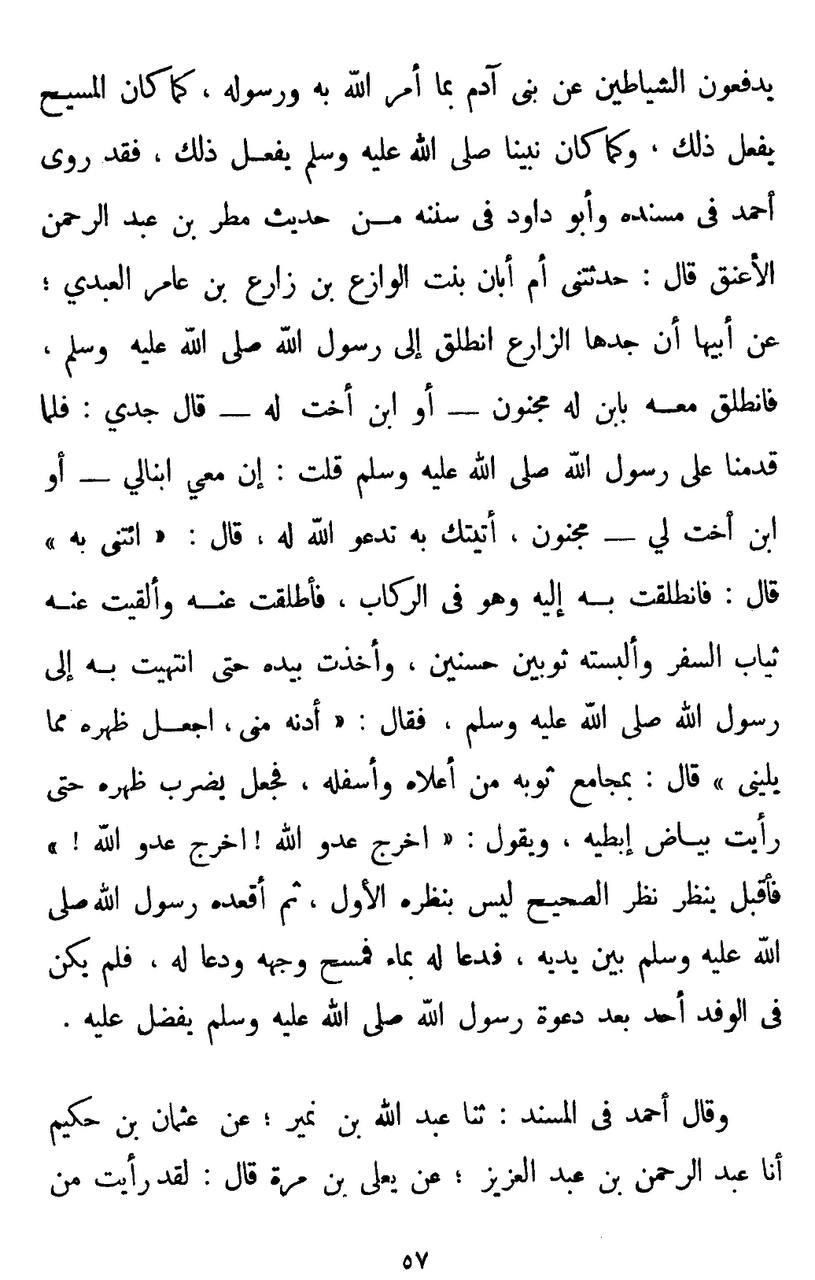
[Yes] indeed, this is among the best of deeds. It is from the actions of the Prophets and the righteous, for the Prophets and righteous have always repelled devils from the Children of Ādam by what Allāh and His Messenger have commanded—just as ‘Īsā (Jesus) used to do, and as our Prophet ﷺ used to do as well.”
Translated by ar-Rāqī al-Ustādh Abū ’Ubaydah
Original Arabic reference text: